A Certificate of Compliance (COC) is the document that proves the electrical installation in a property is safe and legal. Most people in Bloemfontein only think about one when they're selling a house, sorting out insurance, or have just had electrical work done — and then they need it quickly. Here's exactly what a COC is, when the law requires one, and who's actually allowed to issue it.
The short version
- A COC certifies your fixed electrical installation meets the national wiring standard, SANS 10142-1.
- You legally need a valid one to transfer or sell a property.
- Only a registered electrician working under a registered contractor may issue one.
- For a property sale, a COC may not be older than two years.
What is a Certificate of Compliance?
A Certificate of Compliance is a legal document, issued by a registered electrician, confirming that the fixed electrical installation on a property complies with South Africa's wiring standard, SANS 10142-1 ("The Wiring of Premises"). It's required under the Electrical Installation Regulations of the Occupational Health and Safety Act (Act 85 of 1993).
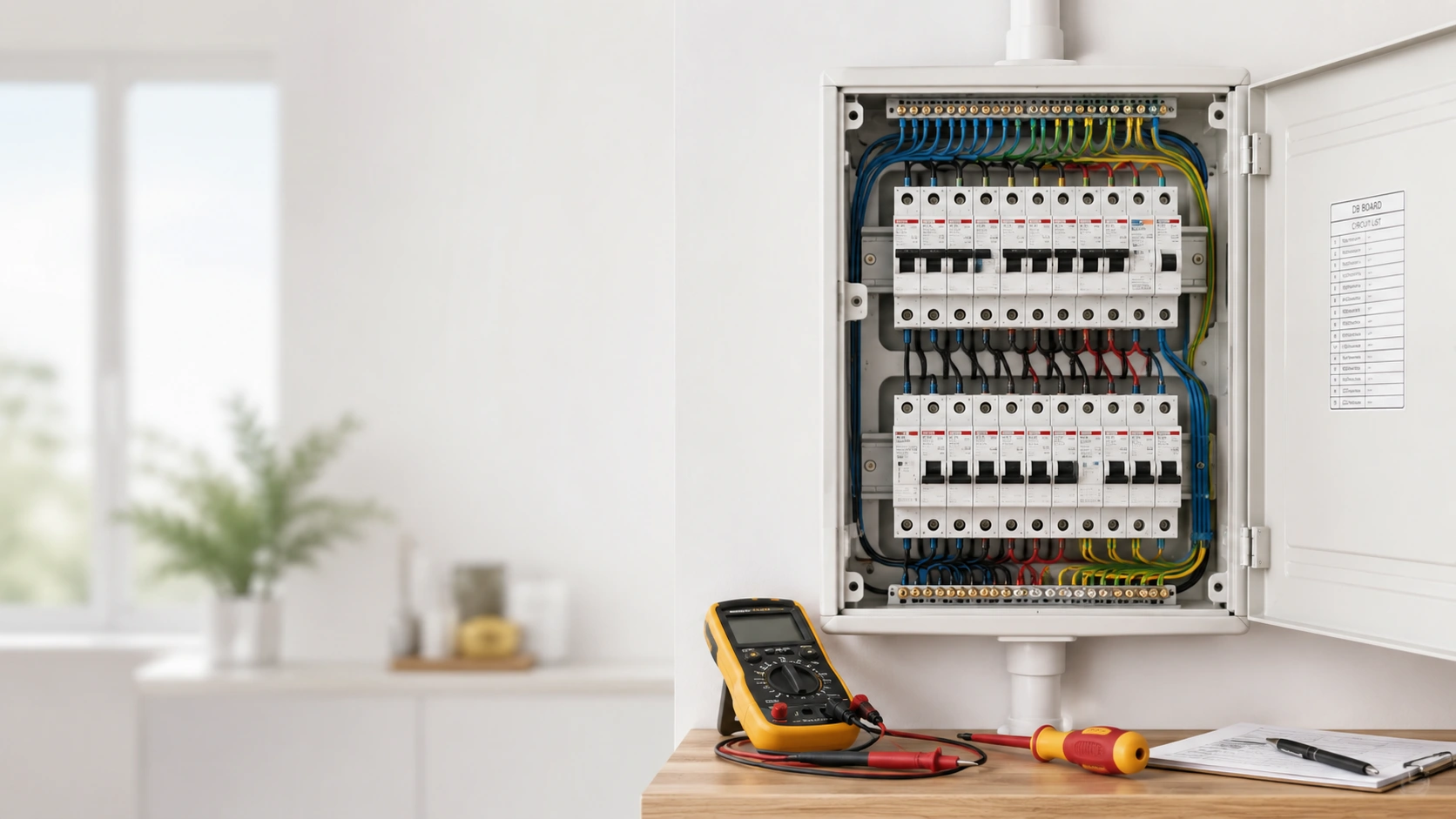
"Fixed installation" means the permanent electrical work — your distribution (DB) board, the wiring in the walls, earthing and bonding, plug points and light fittings. It does not cover appliances you plug in. Worth knowing too: electrical, gas, electric-fence and plumbing compliance are all separate certificates — an electrical COC covers only the electrical side.
When do you legally need a COC?
There are a few moments when a COC stops being optional:
- Selling or transferring a property. A change of ownership can't legally go through without a valid electrical COC — your conveyancing attorney will ask for it before transfer. This is the most common reason Bloemfontein homeowners need one.
- After new electrical work or alterations. Any new installation, addition or change to the wiring must be certified (more on this under "how long is it valid" below).
- Insurance. Insurers often require a valid COC to settle an electrical fire or fault claim, and may ask to see it.
- Rental properties. A landlord is responsible for providing a safe, compliant installation for tenants.
If you're buying a home in Bloemfontein, make sure the seller's COC is recent and valid before transfer — it's your protection too.
Who can issue a valid COC?
This is where people get caught out. A COC may only be issued by a registered (or "accredited") person — a qualified electrician working under an electrical contractor registered with the Department of Employment and Labour. A handyman or an unregistered electrician cannot issue a valid certificate, and an invalid COC can hold up your property transfer or void an insurance claim. Always ask to see registration, and keep the certificate together with the test results. Del Group's registered electricians in Bloemfontein are SANS 10142-1 accredited and issue official COCs on every job.
How long is a COC valid for?
This is the most misunderstood part. For a property sale, a COC may not be older than two years — a transfer can't proceed on an older one, so even a valid certificate eventually needs renewing for a sale.
Strictly speaking, though, a COC remains valid for the life of the installation as long as nothing changes. The moment any electrical work, addition or alteration is done — a new circuit, a rewire, a solar installation — a supplementary COC must be issued to certify that new work. So "two years" is really the property-transfer rule, not an expiry date stamped on your home's safety.
"A property sale can't transfer without a valid COC — and no registered electrician will issue one for an installation that isn't safe."
What does the inspection involve?
A COC inspection is a full check of the fixed installation against SANS 10142-1. The electrician tests earthing and bonding, the DB board and circuit breakers, polarity and correct connections, and looks for anything unsafe or non-compliant — exposed wiring, missing earth-leakage protection, dangerous DIY work.
If everything passes, the certificate is issued. If faults are found, they have to be repaired before a COC can legally be issued — no reputable electrician will certify an installation that isn't compliant. You'll get a clear quote for any remedial work first, so there are no surprises.
What does a COC cost in Bloemfontein?
There's no single price, because it depends on two things: the size of the property and whether any remedial work is needed before the certificate can be issued. An installation that's already compliant is straightforward; one with faults to fix will cost more, and you'll get a clear, upfront quote for that work before anything starts.
For an accurate figure, request a COC quote for your specific property. For business or industrial premises, our commercial electrical compliance team handles larger COC inspections.
Do I need a COC?
You probably need one if you can tick any of these:
- You're selling or transferring a property.
- You've had new wiring, a DB board change, or a solar system installed.
- Your insurer has asked for proof of a compliant installation.
- There's no COC from the last two years, or you can't find your existing one.
Need a COC in Bloemfontein?
+27 51 101 1660Our registered electricians inspect, fix and certify — for homes and businesses across Bloemfontein and the Free State.
Frequently asked
An electrical Certificate of Compliance (COC) is a legal document issued by a registered electrician confirming that the fixed electrical installation on a property - the wiring, distribution board, earthing, plugs and lights - complies with South Africa's wiring standard, SANS 10142-1. It is required under the Electrical Installation Regulations of the Occupational Health and Safety Act.