A burst geyser is one of the most common — and most damaging — household emergencies in South Africa. The good news: the first few minutes are what decide whether you're dealing with a quick fix or a flooded ceiling. Work through these five steps calmly, in order, then call a registered plumber.
Do this first
- Close the main water supply.
- Switch the geyser off at the DB board.
- Open a hot tap to relieve pressure and drain the tank.
Step 1 — Close the water supply
Stop more water coming in. Shut off your main water supply — that's all you need to do. This alone prevents the majority of water damage.
Step 2 — Switch the geyser off at the DB board
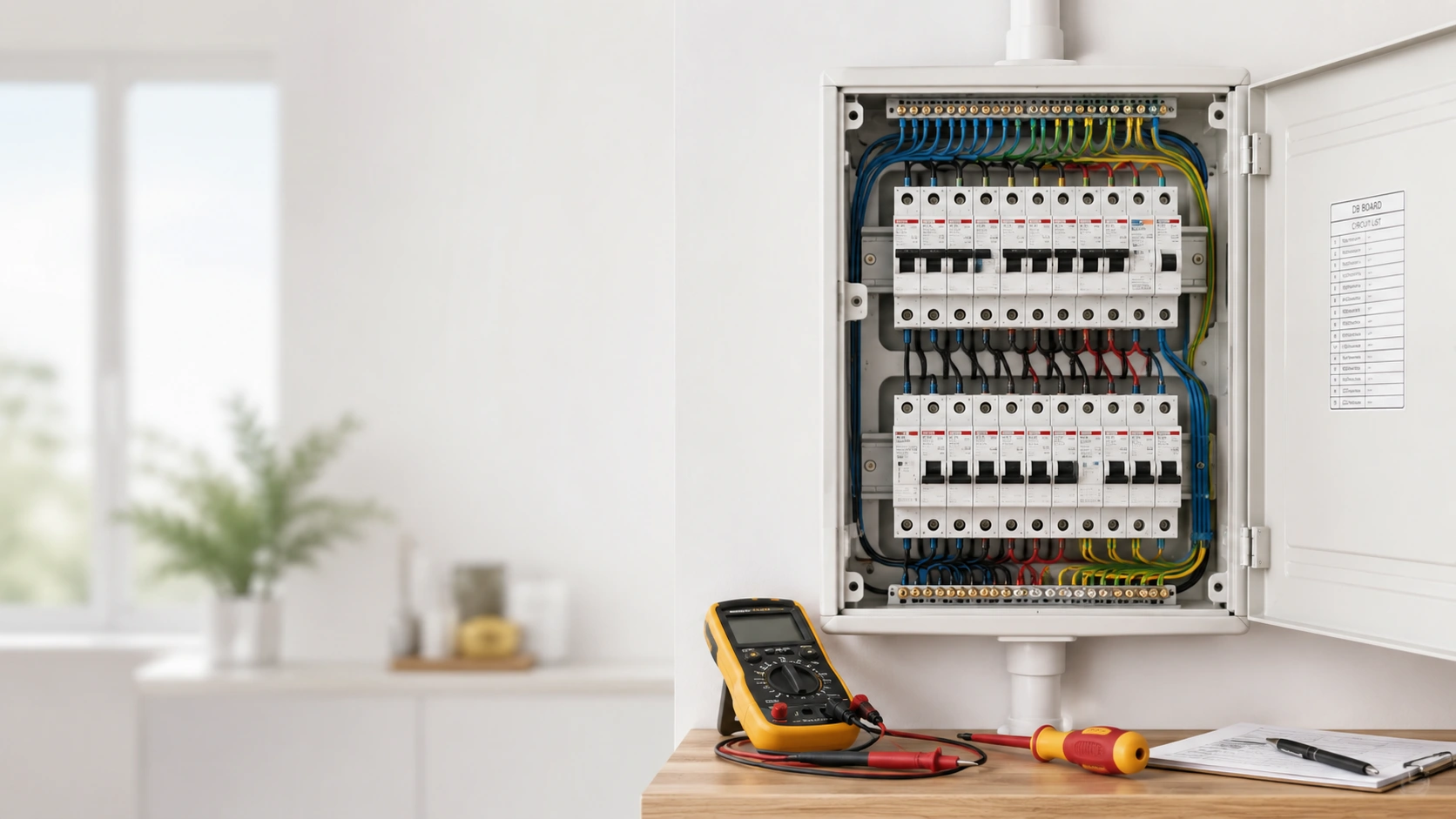
Water and electricity together are dangerous. Switch your geyser off — either at its dedicated isolator switch or at the geyser breaker in your DB (distribution) board. This stops the element burning out and removes the shock risk. If you're not sure which switch it is, flip the main breaker. If the fault turns out to be electrical rather than the geyser itself, our registered electricians in Bloemfontein can help.
Step 3 — Open a hot tap to relieve pressure
Open a hot-water tap in a basin or bath. This releases built-up pressure and lets the remaining hot water drain safely instead of forcing its way out of the burst point.
Step 4 — Protect your ceiling and belongings
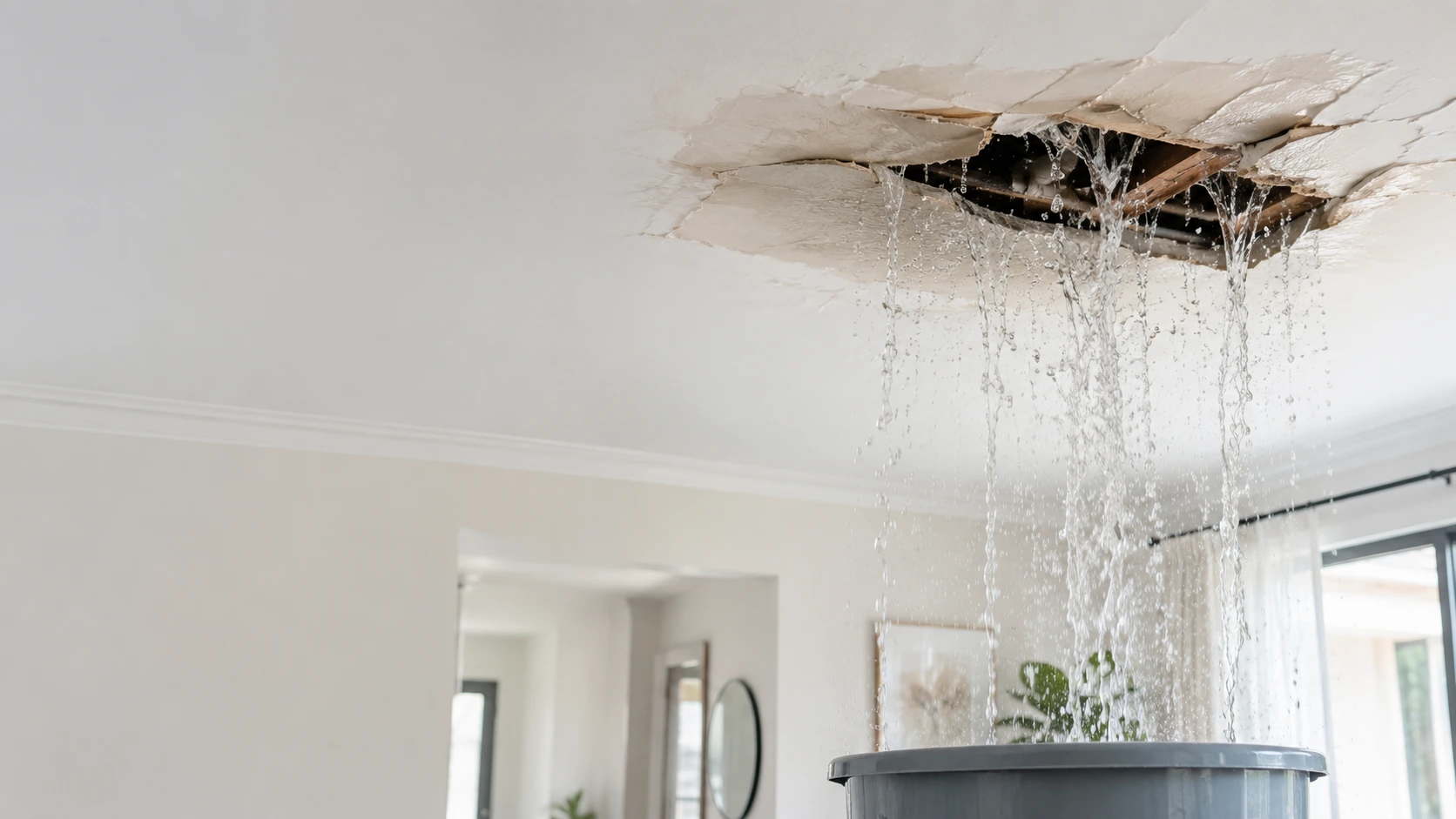
In most South African homes the geyser sits in the roof space, so a burst often shows up as water coming through the ceiling. Move furniture, electronics and valuables clear, and put down buckets or towels. If your ceiling is bulging or sagging with trapped water, keep everyone well clear — a water-logged ceiling can collapse without warning. Tell the plumber about it when you call so they arrive prepared.
Step 5 — Call a PIRB-registered plumber
Now call a professional. Del Group's plumbers in Bloemfontein are PIRB-registered and IOPSA-certified, with over 30 years of experience serving Bloemfontein and the Free State, and we run an after-hours emergency call-out service for exactly this situation. A registered plumber doesn't just replace the geyser — they issue the compliance paperwork your insurer will likely ask for.
"The first few minutes are what decide whether you're dealing with a quick fix or a flooded ceiling."
Will my insurance cover it?
In most cases, yes — a burst geyser is one of the most common claims on South African homeowners' (buildings) cover. A few things protect your claim:
- Use a registered plumber — most insurers require it, and some have approved plumbers they'll send.
- Keep the old geyser until the claim is settled; insurers sometimes want it as proof.
- Hold on to the plumbing compliance certificate and invoice.
Always check your specific policy, but acting fast and using a registered plumber gives you the strongest position.
Repair or replace?
Sometimes a faulty element, thermostat or valve can be fixed; a genuinely burst tank almost always needs replacing. We'll tell you honestly which one you're facing before any work starts.
Why winter is burst-geyser season in Bloemfontein
Bloemfontein winters are cold, and that's when geysers fail most. They work harder to heat colder incoming water, ageing elements and thermostats give out under the strain, and pressure builds in tanks that haven't been serviced. If your geyser is over five years old, the start of winter is the smart time to have it checked — before it fails on the coldest night of the year.
24/7 Emergency Line
+27 73 708 2098Standby plumbers across Bloemfontein — don't wait for the damage to spread.
Frequently asked
Close the water supply first to stop more water coming in, then switch the geyser off at the DB board - water and electricity together are dangerous. After that, open a hot tap to relieve pressure, protect your ceiling and belongings, and call a registered plumber.